Guiding Students and Their Families Every Step of the Way
High School Planning
Effective academic planning begins with thoughtful course selection and identifying extracurricular activities that offer genuine value beyond the classroom. Alongside this, a well-structured standardized testing timeline is essential for staying on track and reducing last-minute stress. Summer planning plays a key role as well, ensuring that breaks are used productively and in alignment with broader academic goals.
Students should also feel empowered to advocate for themselves within their high school, whether that means seeking out advanced opportunities, communicating needs to teachers, or navigating administrative processes. To further enrich their education, learners can take advantage of open courseware and MOOCs (Massive Open Online Courses), which provide access to high-quality instruction from leading institutions — often at no cost.

The College Search
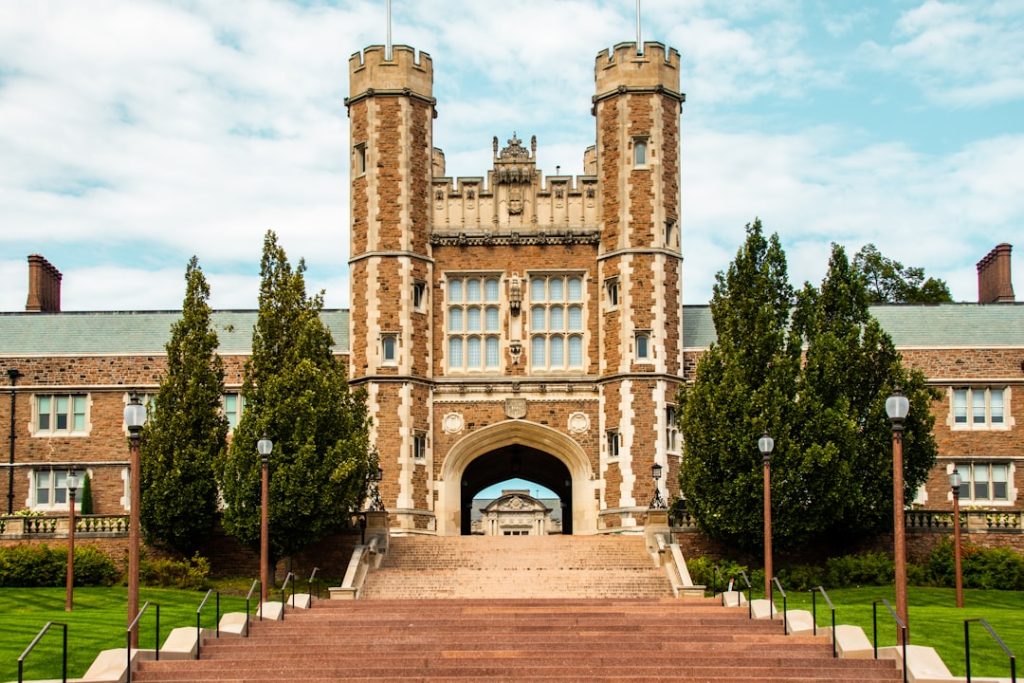
Building a realistic college list is the foundation of a successful application process, and understanding how selective colleges evaluate applicants is key to making informed decisions along the way. Students will also learn tips for expanding their college knowledge, how to navigate tools like Naviance, and what "demonstrated interest" means — and why it matters. From making the most of campus visits to nailing the college interview, I cover the full picture. Finally, knowing when, where, and how to communicate with admissions offices can make a meaningful difference in how a student's application is received.
College Application
Successfully navigating the college application process requires careful organization, and I help students build a clear timeline of all key dates and deadlines from the start. I provide hands-on guidance with brainstorming, writing, and editing compelling college essays and individual question responses, as well as assistance completing the Common Application, Coalition Application, school-based applications, and the Self-Reported Transcript and Academic Record System (STARS). Students also receive support with the FAFSA and everything they need to know about SOCA, ensuring financial aid opportunities are not overlooked. Rounding out the process, MCC help students craft a dynamic résumé and extracurricular list, manage recommendation letters, and develop a clear understanding of how admissions decisions are ultimately made.


The College Decision
Making a final college decision can feel overwhelming — it requires real data and careful analysis. I model how to use the National Center for Education Statistics (NCES) to research and compare colleges in a meaningful way and provide guidance on navigating the often stressful deferral and waitlist processes. When financial aid packages arrive, I help students decipher and compare offers side by side, empowering them to make a decision that is both personally and financially sound.
Additional Services
MCC's additional services are designed to ensure that every student receives the support they need, regardless of their circumstances. I work with students who have IEPs, 504 plans, or medical conditions to help them navigate the college process in a way that accounts for their unique needs. Undocumented students receive tailored guidance to help them understand their options and identify the resources available to them. I also assist students in finding and applying for scholarships, helping to make college a more accessible and affordable reality.